By Narcis.

This time around we go back to the 18th century in which, one of the most significant trends in terms of dressing was “la robe à la française “with huge farthingales on both sides, with big hairstyles that emphasized the concept of artificial beauty and this was the time were the coiffeurs let their minds run wild and free.
One important aspect of the century was the birth and spread of fashion magazines such as “Le Journal du Goût” or “Le Cabinet des Modes” that presented the newest fashion trends through illustration. And of course the essential concept and art movement for which the beginning of the 18th century is known for and the inspiration behind this post: “Rococo”; it was reflected in every aspect of life ragging from architecture, to painting, to interior design and of course fashion among others. Rococo was a reaction against the symmetry and strict regulations of the Baroque and was characterized by its wide excess and superficiality.

In the Rococo era the costumes –until around the mid-19th century we talk about costumes, not fashion as Amanda Hallay points out- had long full skirts atop fitted cone-shaped bodices with decorations such as lace, ribbons, artificial flowers, and lots of embroidery and also had another piece –it consisted on three separate pieces- called the Stomacher, which was a V-shaped triangular panel, wore on the front of a woman’s open gown. The gown was open at front with an under-skirt that was usually made of the same fabric, and one of the most popular trends in terms of fabric was the “chiné à la branche” in which the pattern was printed onto the warp prior to weaving, and it was mainly applied on thin fabrics such as silk taffeta.
In terms of color, pastel coloring was most used. Until the French Revolution in 1789, “la robe à la française “ was de rigueur. And when it came to menswear, the costumes were more discrete and refined in contrast to the previous century where extravagance reach its peek (I’ll cover that in a future post) and their typical outfit consisted in a set of coat with narrower and smaller cuffs, a waistcoat, which was initially the same length as the coat and gradually became shorter, and breeches which all together exuded sophistication.
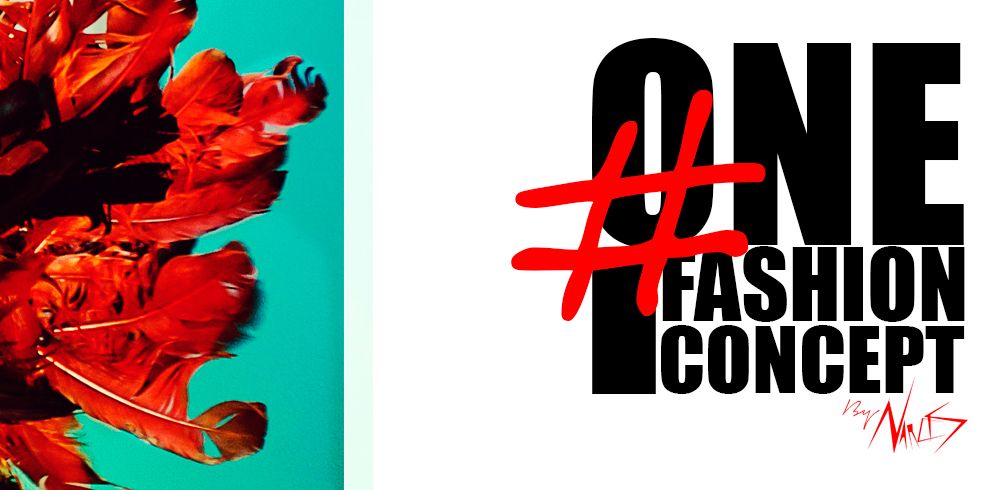
As for the picture is inspired by the extravagant explosion of amazing hairstyles, a reaction completely opposed to the modesty and shyness of former centuries. In which like i said at the beggining the coiffeurs became artist in their own craft.

For now I’ll cover just that really small part of 18th century fashion. Till the next time.

No hay comentarios:
Publicar un comentario